Answer-First (40–60 words)
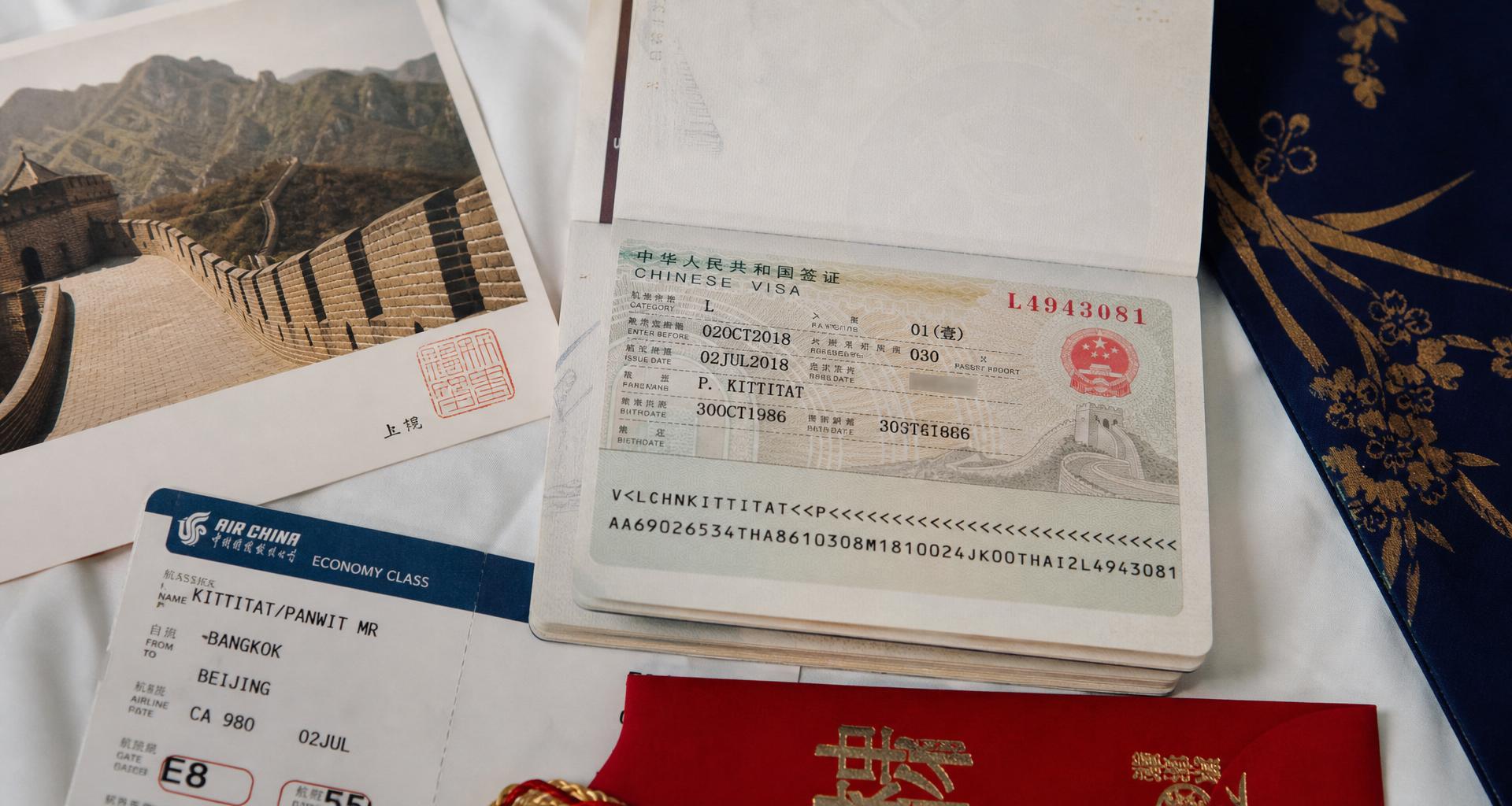
Chinese New Year 2027 falls on Tuesday February 16 — the official Chinese national holiday extends Feb 15-21 (7 days). Chinese Embassy Bangkok and CVASC (China Visa Application Service Center, located at Soonsiri Plaza on Wireless Road) close Mon Feb 15 - Sun Feb 21, with reopening Mon Feb 22. SAFEA and provincial Foreign Expert Bureaus in mainland China close during the same window plus typically extend skeleton-crew operations through Feb 28 due to staff travel. Combined impact: Z work visa applications submitted Jan 25 - Feb 14 face 3-4 week processing extension. Optimal Thai applicant strategy: submit by Jan 18, 2027 for processing before Lunar New Year; or wait to March 8 for normal-rhythm processing post-recovery.
- ▸Chinese New Year 2027: Feb 16; national holiday Feb 15-21 (7 days)
- ▸Embassy + CVASC Bangkok closed Feb 15-21; reopen Feb 22
- ▸SAFEA mainland China extended slowdown through Feb 28
- ▸Z visa processing delayed 3-4 weeks for late-Jan / mid-Feb submissions
- ▸Optimal submit by Jan 18 OR wait until March 8, 2027
สรุปสั้น: China Visa
"Operational impact analysis for Chinese New Year 2027 (Feb 16-22) on China work visa Z, business M, and student X1/X2 processing from Bangkok: Chinese Embassy Bangkok closure schedule, CVASC suspension dates, SAFEA work permit notification delays, foreign expert bureau backlog patterns, and 6-week pre-CNY submission strategy for Thai professionals."
- 01What if my employment must start in mainland China during Lunar New Year holiday week?
- If contract start date is Feb 15-21 (during Chinese holiday), the employer cannot officially onboard you during holiday closure — most Chinese companies use this period for full closure and staff travel. Suggest negotiating contract start date to Feb 1 or Feb 23 instead. If Feb 1 start (you arrive late January, register on entry, then have 2 weeks of orientation before Lunar New Year), this is the most common pattern for foreign hires. If Feb 23 start (you arrive mid-February but Lunar New Year holiday is built into onboarding), employer may delay residence permit registration to early March. Both patterns are operationally normal.
- 02Can I enter China on tourist L visa first and convert to Z later?
- Generally NO. Chinese immigration policy does not allow conversion from L (tourist) to Z (work) in-country — the Z visa must be obtained from Chinese Embassy outside China before entry. Limited exceptions exist for certain talent residence permit categories (R visa for high-level talent) and free trade zones (Shanghai, Hainan, Greater Bay Area pilot programmes) but these are narrow. Best practice: complete Z visa process from Bangkok before entering China for work purposes. Entering China on L or M visa with intent to convert is treated as visa fraud and grounds for removal + 5-year ban.
- 03How does the SAFEA medical exam fit into the Z visa timeline?
- The Foreigner Physical Examination Record is required at two stages. (1) For initial work permit at provincial Foreign Expert Bureau — medical can be done in Thailand at CVASC-recognised hospitals (Bumrungrad, BNH, BIDC, Praram 9, Samitivej) with THB 4,500-7,500 fee, report ready in 5-7 days, results valid 6 months. (2) For residence permit registration at PSB after entry — most Chinese cities require re-validation at a local Chinese hospital (Beijing 999, Shanghai Huashan, Guangzhou Aikang) within 30 days of entry, with separate CNY 600-1,200 fee. Plan both medicals; only some PSB offices accept Thai medical without re-validation.
แหล่งข้อมูล:iVC — International Visa Center · ข้อมูลปรับปรุง 2026
The dual-side bottleneck — Bangkok AND mainland processing both pause
Chinese work visa Z processing involves two sequential authorities. Stage 1 (mainland China): Chinese employer submits work permit application to provincial Foreign Expert Bureau (formerly under SAFEA, now under State Administration of Foreign Experts Affairs reorganised in 2023) — processing 5-15 working days, results in 'Foreigner's Work Permit Notification' (Z visa pre-approval). Stage 2 (Bangkok): applicant submits Z visa application at CVASC Bangkok with the work permit notification — processing 4 working days standard, 3 days express, 2 days rush. Both authorities observe Chinese New Year: provincial Foreign Expert Bureaus close Feb 15-21 + skeleton crew Feb 22-28 (most foreign expert bureau officers take 7-14 day Lunar New Year leave totaling 2 working weeks down). Embassy Bangkok + CVASC close Feb 15-21. The dual-side pause means an application initiated Feb 1 at the Chinese employer stage may not complete work permit notification until early March (extension 10-15 days), then face Bangkok processing only resuming Feb 22 with backlog (extension 5-10 days), for total 15-25 days delay vs normal cycle.
Embassy Bangkok + CVASC closure pattern
Chinese Embassy Bangkok (Ratchadapisek Road) — closed Feb 15-21, 2027 (Chinese national holiday). The embassy's consular section reopens Feb 22 but operates reduced hours through Feb 26 (staff Lunar New Year leave). CVASC (China Visa Application Service Center) at Soonsiri Plaza Wireless Road follows embassy schedule — closed Feb 15-21, reopens Feb 22 with standard operating hours. Visa application centres in upcountry (Chiang Mai, Phuket, Khon Kaen, Hat Yai) also closed Feb 15-21. Application pickup and submission both suspended these dates — there is no skeleton service or emergency processing during Chinese New Year. Pre-CNY appointment surge typically books out by Jan 25 — for any China travel intended early-March onwards, book CVASC appointment by mid-January.
Provincial Foreign Expert Bureau patterns — beware regional variation
China's work permit system is provincially administered — Shanghai Foreign Expert Bureau, Beijing FEB, Guangzhou FEB, Shenzhen FEB, etc. each have independent staffing patterns. General pattern: all Foreign Expert Bureaus close Feb 15-21 (Chinese national holiday). However, post-holiday recovery varies materially: Shanghai + Shenzhen FEBs return to near-full staffing by Feb 24 (most efficient), Beijing + Guangzhou by Feb 26-27, Tier-2 cities (Chengdu, Hangzhou, Wuhan, Tianjin, Xian) by Mar 1-3, Tier-3 / inland cities (Chongqing, Kunming, Changsha, Zhengzhou) often only Mar 4-8 due to higher proportion of internal-migrant staff returning from rural home provinces. For a Thai professional being hired in Tier-3 China, plan for 3-4 weeks of slowdown from Feb 10 through Mar 10. For Tier-1 (Shanghai/Shenzhen) hire, 10-14 days slowdown only. Hiring employer's HR department + their licensed work permit agent (most foreign-expert work permits are filed via specialised agents) is the source of truth for timeline — iVC coordinates with major Chinese work permit agents (Eastern Bridge, China Work Visa Service, Sinotrust) for client cases.
The 6-week pre-CNY strategy — what to submit when
Optimal Thai applicant submission timeline for Chinese Z work visa with target China arrival in February-March 2027: Week of Dec 8, 2026 (10 weeks pre-CNY): Thai applicant gathers source documents — degree certificate (Apostille post-Jan 2026), TEFL certificate if teaching role, criminal record from RTP (Apostille), medical exam from CVASC-recognised hospital (Bumrungrad, BNH, Praram 9 — fee THB 4,500 + report 5-7 days), passport-quality photos. Week of Dec 22, 2026 (8 weeks pre-CNY): Apostille completion + Chinese certified translation (NAATI-equivalent Chinese translation by China-recognised translator at iVC partner Beijing office). Week of Jan 5, 2027 (6 weeks pre-CNY): documents couriered to Chinese employer in China; employer initiates work permit application at provincial FEB. Week of Jan 12 (5 weeks pre-CNY): FEB submission completed, work permit application under review. Week of Jan 26 (3 weeks pre-CNY): work permit notification issued (assuming 14-day FEB processing); courier notification to Bangkok. Mon Jan 25 (3 weeks pre-CNY): CVASC Bangkok submission of Z visa with notification + supporting docs. Wed Jan 27 (2.5 weeks pre-CNY): Z visa issued (4 working days standard processing). Week of Feb 1-7: Z visa in passport, applicant travels to China, enters on Z visa. Week of Feb 8-14: 30 days from entry, applicant registers at local Public Security Bureau (PSB) for Residence Permit (work + residence card valid 1-5 years matching contract). All operations completed BEFORE Feb 15 holiday begins. iVC's China Z Visa Pre-CNY Package (THB 38,500 surcharge to standard package) compresses timeline to enable Jan 26 submission even for late-starting applicants.
Post-CNY recovery window — submissions from late February
For applicants who cannot meet pre-CNY timeline, the alternative is to wait until mid-March for clean post-holiday submission. Submissions during the Feb 22 - Mar 7 window face: (a) CVASC backlog of 5-10 days vs normal SLA; (b) mainland Foreign Expert Bureau backlog of 7-14 days vs normal SLA (cumulative 12-24 day delay vs normal). Submissions from Mar 8 onwards process at near-normal rhythm — provincial FEBs are fully staffed, CVASC backlog cleared. Realistic timeline for post-CNY Z visa applicant starting documentation Mar 1: Mar 1-7 document collection + Apostille, Mar 8-14 Chinese translation + courier to employer, Mar 15-25 FEB processing, Mar 26-30 CVASC processing, China entry Apr 1-7. This is a 5-week timeline that lands in China April for May-onwards employment start. Suitable for non-urgent positions.
คำถามที่พบบ่อย
- What if my employment must start in mainland China during Lunar New Year holiday week?
- If contract start date is Feb 15-21 (during Chinese holiday), the employer cannot officially onboard you during holiday closure — most Chinese companies use this period for full closure and staff travel. Suggest negotiating contract start date to Feb 1 or Feb 23 instead. If Feb 1 start (you arrive late January, register on entry, then have 2 weeks of orientation before Lunar New Year), this is the most common pattern for foreign hires. If Feb 23 start (you arrive mid-February but Lunar New Year holiday is built into onboarding), employer may delay residence permit registration to early March. Both patterns are operationally normal.
- Can I enter China on tourist L visa first and convert to Z later?
- Generally NO. Chinese immigration policy does not allow conversion from L (tourist) to Z (work) in-country — the Z visa must be obtained from Chinese Embassy outside China before entry. Limited exceptions exist for certain talent residence permit categories (R visa for high-level talent) and free trade zones (Shanghai, Hainan, Greater Bay Area pilot programmes) but these are narrow. Best practice: complete Z visa process from Bangkok before entering China for work purposes. Entering China on L or M visa with intent to convert is treated as visa fraud and grounds for removal + 5-year ban.
- How does the SAFEA medical exam fit into the Z visa timeline?
- The Foreigner Physical Examination Record is required at two stages. (1) For initial work permit at provincial Foreign Expert Bureau — medical can be done in Thailand at CVASC-recognised hospitals (Bumrungrad, BNH, BIDC, Praram 9, Samitivej) with THB 4,500-7,500 fee, report ready in 5-7 days, results valid 6 months. (2) For residence permit registration at PSB after entry — most Chinese cities require re-validation at a local Chinese hospital (Beijing 999, Shanghai Huashan, Guangzhou Aikang) within 30 days of entry, with separate CNY 600-1,200 fee. Plan both medicals; only some PSB offices accept Thai medical without re-validation.
- What documents need Apostille for China Z visa post-Jan 2026?
- Mainland China is NOT a Hague Apostille member (only Hong Kong + Macau are). Therefore Apostille does NOT apply for documents going to mainland China — they still require full consular legalisation: Thai original → MoJ certified translation to English or Chinese → MFA Department of Consular Affairs Authentication (THB 800) → Chinese Embassy Bangkok legalisation (THB 1,400-2,800 + 4-15 working days). Documents requiring legalisation for Z work visa: degree certificate, criminal record from RTP, marriage certificate (if spouse joining), birth certificates of children (if joining). iVC's China-specific legalisation service (THB 4,500-9,500 per document bundle) handles MoJ + MFA + Chinese Embassy in sequence.
- Are Chinese language requirements relaxed for Thai applicants in 2027?
- No — there is no formal Chinese language requirement for Z work visa or work permit. Work permit Tier classification (A-talent, B-professional, C-other) is based on salary, education, age, and Chinese language scoring (HSK levels add scoring points) — but Chinese language is not mandatory at any tier. Most foreign professionals in China operate in English (multinational companies) or with local interpreters. For long-term career success in China, HSK 4-5 (intermediate Chinese) is highly recommended; iVC partners with HanBan-affiliated Bangkok schools (Confucius Institute Chulalongkorn, Confucius Institute Mahidol) for pre-departure Chinese training.
- How does iVC's China Z Visa service work end-to-end?
- iVC China Z Visa Complete Service (THB 95,000-145,000 depending on documentation complexity): (1) Pre-employment documentation — degree + transcript verification, criminal record collection, medical scheduling, Chinese translation by China-recognised translator; (2) Consular legalisation pipeline (MoJ + MFA + Chinese Embassy) for all civil + educational documents; (3) Liaison with Chinese employer's work permit agent for FEB application; (4) CVASC Bangkok appointment booking + document preparation + submission accompaniment; (5) Pre-departure briefing (Chinese city orientation, banking with Bank of China / ICBC + WeChat Pay setup, China Mobile + China Unicom SIM, accommodation referrals via Ziroom or partner agents); (6) Post-arrival PSB residence permit coordination via Beijing or Shanghai partner office. Pre-CNY surge add-on THB 38,500 for accelerated Jan-Feb processing.
เปรียบเทียบวีซ่าทำงาน/พำนักระยะยาวในไทย
เลือกประเภทตามลักษณะรายได้และผู้ว่าจ้าง ไม่ใช่ตามระยะเวลาอย่างเดียว
| ประเด็น | Non-B + Work Permit | DTV | LTR |
|---|---|---|---|
| เหมาะกับ | ทำงานกับนายจ้างในไทย | ทำงานทางไกลให้นายจ้าง/ลูกค้าต่างประเทศ | ผู้มีคุณสมบัติตามหมวดที่ BOI กำหนด |
| ต้องมีนายจ้างไทยไหม | ต้องมี | ไม่ต้อง | แล้วแต่หมวดที่สมัคร |
| ใบอนุญาตทำงาน | ต้องขอ | ไม่ครอบคลุมการทำงานให้กิจการในไทย | มีช่องทางเฉพาะตามหมวด |
| เอกสารหลัก | เอกสารบริษัทนายจ้าง + คุณวุฒิ | หลักฐานการทำงานทางไกล/กิจกรรมที่รองรับ | หลักฐานคุณสมบัติตามหมวด |
ทำเอง vs ให้ iVC ดูแลให้ทั้งกระบวนการ
ทั้งสองทางทำได้จริง ต่างกันที่เวลาที่คุณต้องใช้ ความเสี่ยงที่เอกสารถูกตีกลับ และการมีที่ปรึกษาคอยตรวจก่อนยื่น
| ประเด็น | ดำเนินการเอง | ให้ iVC ดูแล |
|---|---|---|
| การตรวจเอกสารก่อนยื่น | ตรวจเองจากข้อมูลหน้าเว็บหน่วยงาน | ที่ปรึกษาตรวจทีละฉบับตามข้อกำหนดปลายทางก่อนยื่นจริง |
| เวลาที่คุณต้องใช้ | เดินทาง ต่อคิว และติดตามผลด้วยตัวเอง | เราเดินเรื่องและติดตามให้ คุณรับรายงานความคืบหน้า |
| ความเสี่ยงตีกลับ | พบบ่อยจากการสะกดชื่อไม่ตรง เอกสารหมดอายุ หรือลำดับรับรองผิดขั้น | ตรวจจุดที่ตีกลับบ่อยตั้งแต่ต้นทาง และแก้ก่อนยื่น |
| ความรู้เฉพาะทาง | ต้องศึกษาระเบียบของแต่ละหน่วยงานเอง | ทีมงานประสบการณ์ 15+ ปี ให้คำปรึกษาตลอดเคส |
| กรณีเอกสารมีปัญหา | ต้องเริ่มขั้นตอนใหม่ด้วยตัวเอง | เราประเมินทางเลือกและวางแผนแก้ให้ทันที |
เราทำงานแบบที่ปรึกษา ไม่ใช่แค่รับเดินเอกสาร
ประสบการณ์มากกว่า 15 ปี (ตั้งแต่ปี 2554) กับงานแปล รับรองเอกสาร และเตรียมเอกสารประกอบวีซ่า ทำให้เราเห็นรูปแบบที่เอกสารถูกตีกลับซ้ำ ๆ และวางแผนตั้งแต่ต้นทางเพื่อลดโอกาสนั้น
- ประเมินเคสก่อนเริ่ม
- ดูโปรไฟล์ ประเทศปลายทาง และหน่วยงานผู้รับ ก่อนบอกว่าต้องใช้เส้นทางรับรองแบบใด
- วางแผนเอกสารรายบุคคล
- จัดลำดับว่าเอกสารใดต้องคัดใหม่ ใดต้องแปลก่อน และใดต้องรับรองก่อนหลัง
- เตือนความเสี่ยงล่วงหน้า
- แจ้งจุดที่มักถูกตีกลับ เช่น การสะกดชื่อไม่ตรงหนังสือเดินทาง หรืออายุเอกสารที่หน่วยงานปลายทางกำหนด
- ติดตามจนจบเคส
- รายงานความคืบหน้าเป็นระยะ และประเมินทางเลือกทันทีหากหน่วยงานขอเอกสารเพิ่ม
- ปรึกษาต่อเนื่องหลังงานเสร็จ
- เอกสารชุดเดิมมักถูกใช้ซ้ำในขั้นตอนถัดไป เราช่วยดูว่ายังใช้ได้หรือต้องคัดใหม่
ถ้าไม่อยากเสียเวลาไล่ขั้นตอนเอง ส่งรายละเอียดเคสมาให้เราประเมินก่อนได้ แล้วค่อยตัดสินใจ
คู่มือปฏิบัติ: วีซ่าไทย / ใบอนุญาตทำงาน
ชาวต่างชาติที่จะทำงานในไทยต้องมีวีซ่าประเภทที่ถูกต้อง (เช่น Non-B, DTV, LTR) และใบอนุญาตทำงานจากกรมการจัดหางาน ก่อนเริ่มปฏิบัติงาน
รายการเอกสารที่ต้องเตรียม
- หนังสือเดินทางอายุคงเหลือเพียงพอ พร้อมหน้าวีซ่าและ TM.6/บัตรขาเข้า (ถ้ามี)
- หนังสือรับรองบริษัท บัญชีรายชื่อผู้ถือหุ้น และงบการเงินของนายจ้าง
- สัญญาจ้าง ระบุตำแหน่ง หน้าที่ และสถานที่ทำงาน
- วุฒิการศึกษาและหนังสือรับรองประสบการณ์ แปลและรับรองตามที่กำหนด
- ใบรับรองแพทย์ตามแบบที่กรมการจัดหางานกำหนด
ขั้นตอนและวิธีการ
1. เลือกประเภทวีซ่าที่ตรงกับกิจกรรมจริง
ประเมินว่าเป็นการจ้างงาน การลงทุน การทำงานทางไกล หรือการพำนักระยะยาว
กรอบเวลาโดยประมาณ: 1–3 วัน
2. ยื่นขอวีซ่าที่สถานทูต/สถานกงสุลไทย
เตรียมเอกสารนายจ้างและเอกสารส่วนบุคคลตามที่สถานทูตกำหนด
กรอบเวลาโดยประมาณ: 5–15 วันทำการ
3. ยื่นขอใบอนุญาตทำงาน
ยื่นที่สำนักงานจัดหางานในพื้นที่ หรือ One Stop Service สำหรับกิจการที่เข้าเกณฑ์
กรอบเวลาโดยประมาณ: 3–10 วันทำการ
4. รายงานตัวและต่ออายุ
รายงานตัว 90 วัน ต่ออายุวีซ่าและใบอนุญาตทำงานก่อนหมดอายุ
กรอบเวลาโดยประมาณ: ตลอดระยะพำนัก
คำแนะนำจากงานจริง
- ตำแหน่งงานต้องไม่อยู่ในอาชีพที่สงวนไว้สำหรับคนไทย ควรตรวจก่อนทำสัญญาจ้าง
- เก็บใบรับรายงานตัว 90 วันทุกครั้ง เพราะใช้ประกอบการต่ออายุครั้งถัดไป
ข้อควรระวัง
- การทำงานก่อนได้รับใบอนุญาตมีโทษตามกฎหมายทั้งลูกจ้างและนายจ้าง
- การอยู่เกินกำหนด (overstay) มีผลต่อการขอวีซ่าครั้งต่อไปและอาจถูกห้ามเข้าประเทศ
ให้ iVC ดำเนินการแทนคุณ
ถ้าไม่อยากเสียเวลาเดินเรื่องเอง ทีมงาน iVC รับดำเนินการให้ครบวงจร ตั้งแต่ตรวจเอกสาร แปล รับรอง จนถึงยื่นและติดตามผล — ทักไลน์ @iVisa หรือโทร 080-557-8887 เพื่อให้เราประเมินเคสของคุณก่อนเริ่มงาน
แหล่งอ้างอิงทางการ
ปรึกษาเรื่องนี้กับ iVC
ทีมที่ปรึกษา 15+ ปี · ครอบคลุม 60+ ประเทศ · LINE ตอบทุกวัน
ปรึกษาฟรี LINE @iVisaเผยแพร่ 2027-01-12 · ปรับปรุง 2027-01-12 · เขียนโดย Liang W., iVC (China Desk Lead · 12 yrs Z visa + FEB coordination · HSK 6 + MoJ Chinese Master Translator)