Quick Summary (AI Answer-First)
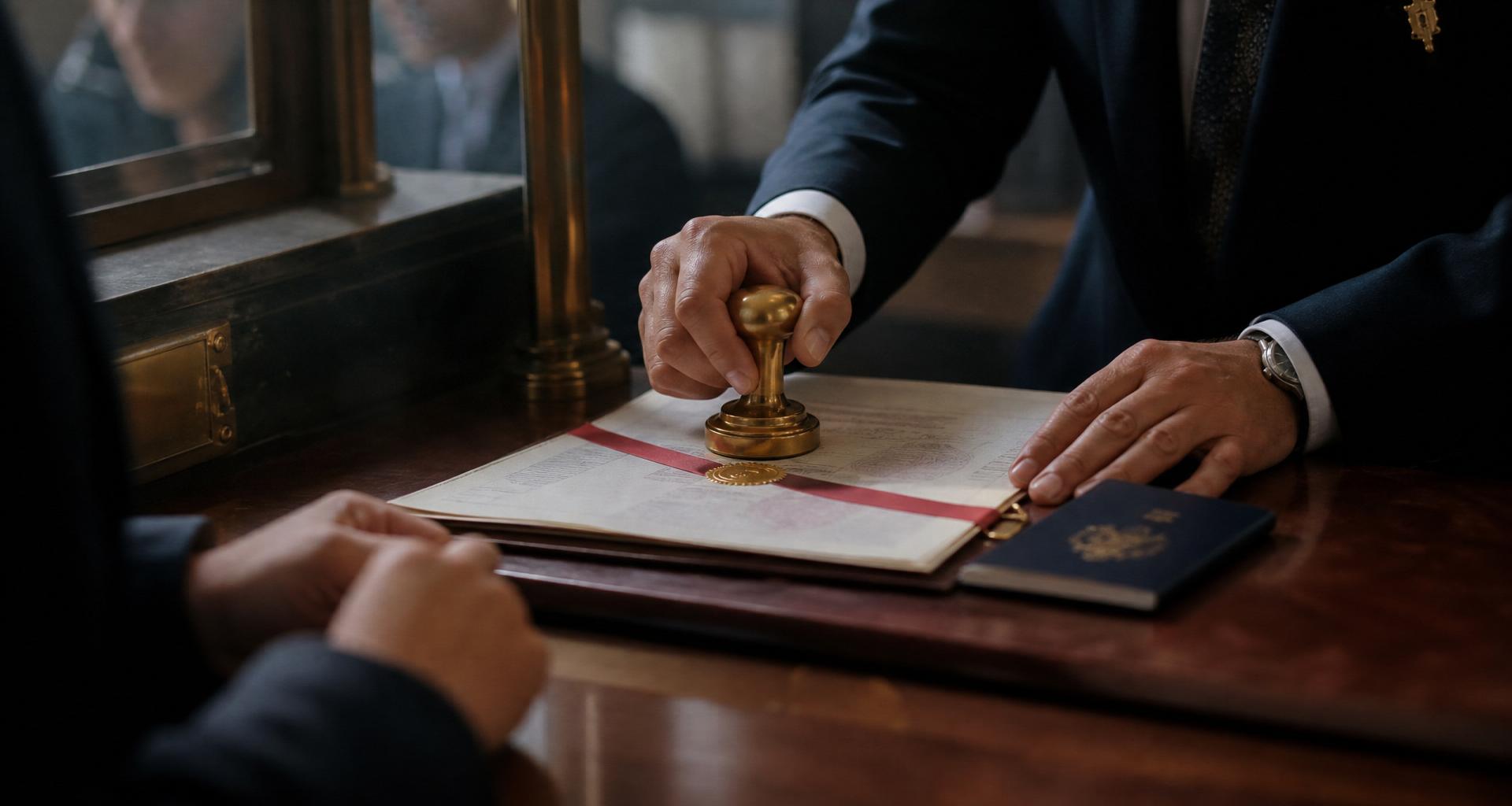
iVC delivers the streamlined 3-step Uzbekistan Apostille chain (Uzbekistan Hague member since 15 Apr 2012, Thailand since 10 Sep 2025): Notary → MOFA Thailand Apostille (single stamp) → sworn Uzbek/Russian translation. Serves Mirziyoyev-era open-door reforms (30-day visa-free for Thai from 2019, ILO forced-labor-free cotton 2022, full currency convertibility 2017), MIFT + FEZ (Navoi/Angren/Jizzakh + 17 more), IT-Park Tashkent (0% IT corporate tax), Uzhukumat cotton-textile cluster, NMMC gold #4 global, RSSPMC physician licensing (cardiology/oncology/surgery/Tashkent Medical Academy/Samarkand State Medical), Silk Road UNESCO Samarkand-Bukhara-Khiva, Uzbek-Airways BKK-TAS direct, Silk Road Digital Nomad Visa 2024. Pricing: THB 9,200 personal Apostille → THB 215,000 FEZ corporate setup. 10+ Uzbekistan cases since 2020, 94%+ first-pass acceptance. End-to-end 10-18 days standard, 6-9 days urgent. Tashkent partner (Amir Timur Ave) for receiving-authority verification. Complimentary briefing: Nowruz/Ramazon Hayit calendar, Latin/Cyrillic/Russian/English routing, Mirziyoyev reforms, Silk Road heritage, Turkic-Persian-Muslim cultural context.
FAQ
Uzbekistan Hague Apostille (2012) — how does the streamlined chain work post-Mirziyoyev open-door reforms?
The Republic of Uzbekistan acceded to the 1961 Hague Apostille Convention on 19 July 2011 with effective date 15 April 2012 — Uzbekistan joined Kazakhstan (2001) and Kyrgyzstan (2011) as Central Asian Hague members. For Thai-issued documents used in Uzbekistan post-Thailand-accession (Thailand effective 10 September 2025): (1) iVC Notarial Services Attorney notarization in Bangkok, (2) MOFA Thailand Apostille Certificate (single stamp replaces the former Embassy of Uzbekistan Bangkok — note the embassy operated from 2015 to approximately 2020 then closed; Uzbekistan consular affairs for Thailand are now covered from Embassy of Uzbekistan in Kuala Lumpur or via MFA Tashkent direct; Apostille under Hague obviates the need for embassy attestation), (3) sworn Uzbek or Russian translation by a certified translator (Uzbek — the state language written in Latin script since 1993 reform with Cyrillic remaining in parallel use — and Russian — the co-official language of interethnic communication — are both accepted; Uzbek is preferred for state ministries and provincial hokimiyat, Russian is preferred for commercial Tashkent and inter-CIS business). For Uzbek-issued documents used in Thailand: MOJ Tashkent Apostille stamp → sworn Thai translation → Thai receiving authority. Uzbekistan since 2016 has undergone dramatic open-door reforms under President Shavkat Mirziyoyev (successor to long-serving Islam Karimov 1991-2016), including full currency convertibility (2017), abolition of cotton harvest forced-labor (achieved compliance with ILO standards 2022), unilateral visa-free entry for 90+ nationalities including Thai citizens (30-day visa-free from 2019), massive privatization program, and open-market Uzhukumat reforms — this has transformed Uzbekistan from a closed authoritarian post-Soviet state into Central Asia's fastest-growing economy and a major FDI recipient. iVC has run 10+ Uzbekistan cases since 2020 covering Ministry of Investment and Foreign Trade (MIFT — the consolidated FDI approval authority since 2019 reform) corporate structuring, Uzbek physician licensing (Republican Specialized Scientific-Practical Medical Centers RSSPMC — the specialty flagship networks in cardiology/oncology/surgery/gastroenterology/therapy, Tashkent Medical Academy, Samarkand State Medical University), Free Economic Zones (Navoi FIEZ, Angren SIZ, Jizzakh SEZ, Ferghana Valley SEZ, Urgut SEZ), Navoi Mining and Metallurgy Combine (NMMC — world's 4th largest gold producer, one of top 10 uranium producers), cotton-textile Uzhukumat cluster reforms, Silk Road tourism corridor (Samarkand-Bukhara-Khiva UNESCO Ensemble), and Uzbek-Thai bilateral cotton/textile/agricultural trade. Practical challenges: (a) some Uzbek receiving authorities still request pre-Apostille MFA chain during transition; (b) sworn Uzbek vs Russian translation choice matters — Uzbek script transition from Cyrillic to Latin (1993 reform still in mixed use — critical documents may need dual-script certification); (c) provincial hokimiyat in Ferghana Valley/Khorezm may add processing time; (d) Mirziyoyev-era e-government portal (my.gov.uz) increasingly handles digital receiving with QR-verified Apostille acceptance. iVC Tashkent partner (Amir Timur Ave / Yakkasaray district) handles receiving-authority delivery — end-to-end 10-18 working days standard, 6-9 days urgent.
Uzbek visa (30-day visa-free for Thai from 2019), Silk Road tourism, and Mirziyoyev-era Thai investor opportunities?
Uzbekistan Ministry of Foreign Affairs consular section (via MFA Tashkent) issues visas and residence permits since the Embassy of Uzbekistan Bangkok scaled down operations circa 2020. Thai passport holders have benefited from 30-day visa-free tourist entry since 2019 as part of Mirziyoyev's unilateral open-door reforms — this makes Uzbekistan one of the easiest Central Asian destinations for Thai tourists. Longer-stay visa categories: (a) Tourist Visa — 30-day visa-free for Thai citizens as of 2019 (extendable to 90 days via MFA Tashkent for USD 40); (b) Business Visa — for shareholders/directors of MIFT-approved enterprises, 3/6/12-month multiple-entry, applied via MFA Tashkent e-visa portal (evisa.mfa.uz); (c) Employment Visa — for expatriate staff with Ministry of Employment and Labor work permit; typically 1-year renewable; (d) Investor Visa — for MIFT Priority Investor (USD 500,000+) with 5-year residence and expedited PR track; (e) Study Visa — for enrollment at Tashkent State University, Samarkand State University, Westminster International University in Tashkent, or Turin Polytechnic University in Tashkent; (f) Family Reunion Visa — for spouses/dependents of Uzbek citizens or long-term residents; (g) Silk Road Digital Nomad Visa (2024 introduction) — for freelancers with USD 2,500/month income, 1-year renewable. Fees USD 20-160 depending on category. Silk Road tourism corridor is Uzbekistan's flagship international brand: Samarkand (Registan Square, Bibi-Khanym Mosque, Shah-i-Zinda necropolis, Gur-e-Amir Timur mausoleum — UNESCO), Bukhara (Poi-Kalyan complex, Ark of Bukhara, Chor Minor, Lyabi-Hauz — UNESCO), Khiva (Itchan Kala walled inner city with Kalta-Minar, Djuma Mosque, Tash-Hauli Palace — UNESCO), Tashkent (capital with Khast Imam complex, Chorsu Bazaar, Alisher Navoi Opera Theatre), and Ferghana Valley (traditional silk-weaving Margilan, ceramic Rishtan). Uzbek Airways operates direct Tashkent-Bangkok route (4 weekly, 6.5 hours) — this is the primary Thai-Uzbek air link. Thai investment opportunities post-Mirziyoyev reforms: (1) Cotton-textile value chain — Uzbekistan is world's 6th cotton producer with major upstream (Uzhukumat cluster reform allocated USD 3B+ to modernize spinning/weaving/dyeing/garment-manufacturing capacity, seeking foreign FDI); (2) Gold-mining supply chain — Navoi Mining and Metallurgy Combine NMMC (world's 4th gold producer, world's 10th uranium producer, one of top 10 silver producers) partial privatization opening 2023-2025; (3) Automotive — GM-Uzbekistan (Chevrolet flagship Central Asia manufacturing), Peugeot-Citroen JV, MAN commercial vehicles, BYD electric vehicle assembly (2024 launch); (4) Renewable energy — solar tenders won by Masdar UAE, ACWA Saudi, Total France 5+ GW pipeline; (5) Tourism-hospitality — Samarkand Silk Road Samarkand Complex (2022 opening — the flagship USD 500M convention-hotel-cultural district), Khiva heritage-hotel refurbishment; (6) Agriculture — melon/pomegranate/apricot export (Ferghana Valley), Halal beef/lamb; (7) IT-Park (Tashkent tech-startup ecosystem — English-medium, tax-favored). Full chain: iVC notary → MOFA Thailand Apostille → sworn Uzbek/Russian translation → MFA Tashkent visa OR MIFT investment approval OR Ministry sector filing → residence registration. iVC Uzbek Visa/Investor Bundle: THB 15,000-155,000 depending on category / 20-90 days. Track record: 6 Uzbek investor cases — 2 cotton-textile buyer representative offices, 1 tourism-hospitality Samarkand consulting, 1 GM-Uzbekistan Thai auto-parts supplier arrangement, and 2 Silk Road tour-operator Thai counterparty setup.
Uzbek MIFT + Free Economic Zones (Navoi/Angren/Jizzakh) + IT-Park + Uzhukumat cotton — Thai corporate structures?
Ministry of Investment and Foreign Trade (MIFT — consolidated in 2019 reform combining former Ministry of Foreign Economic Relations and Ministry of Investment) is the single FDI approval authority under the Investment Activities Law 2019 and Foreign Investments Law 2019 (Mirziyoyev-era open-door legal framework replacing restrictive Karimov-era investment law). Available structures for Thai investors: (1) Wholly Foreign-Owned Enterprise (LLC or JSC) — permitted in all sectors except constitutionally-restricted (defense, national security, media, some strategic natural resources); minimum 1 founder, minimum charter capital UZS 400M (~USD 32,000) for standard LLC, USD 500,000+ for MIFT Priority Investor status with tax preferences. (2) Joint Venture — with Uzbek partner; provides local-market knowledge and government-relations advantage; commonly used in reserved-sector segments. (3) Free Economic Zone (FEZ) Enterprise — Uzbekistan has 20+ FEZ across all provinces: Navoi FIEZ (Navoi Region — flagship established 2008, logistics-manufacturing-pharmaceutical anchor, Korea Air Cargo hub, over 60 tenants), Angren SIZ (Tashkent Region — machinery-chemicals-textile, coal-mining anchor), Jizzakh SEZ (Jizzakh Region — Korean anchored, electronics-textile-food processing), Ferghana Valley FEZ (agriculture-textile), Urgut FEZ (Samarkand Region — tea processing), Chirakchi SEZ (Kashkadarya), Kokand SEZ (Ferghana Valley), Bukhara-Agro FEZ, Khiva-Tourism FEZ, plus 11+ specialized zones. FEZ enterprises enjoy 3-10 year income-tax exemption depending on investment size (USD 300k-3M threshold tiers), 3-5 year land-tax exemption, 3-10 year property-tax exemption, duty-free import of equipment/raw-materials, and simplified customs. (4) IT-Park Uzbekistan — Tashkent-based tech-startup ecosystem with special IT-Park Resident status offering 0% corporate tax on IT-services income for residents, English-medium regulatory framework, dedicated visa-work permit fast-track for foreign IT professionals, USD 21B target IT-export by 2028; 1,000+ registered IT-Park firms as of 2024. (5) Public-Private Partnership (PPP) — infrastructure, energy, healthcare, education PPP framework under PPP Law 2019. Full chain: iVC notary → MOFA Thailand Apostille → sworn Uzbek/Russian translation → MIFT investment registration OR IT-Park residency application → Ministry of Justice enterprise registration → provincial hokimiyat local registration → Central Bank foreign-exchange registration → Tax Committee registration → Ministry of Employment work-permit quota. iVC Uzbek Corporate Bundle: THB 65,000-215,000 depending on LLC vs FEZ vs IT-Park / 45-105 working days. Track record: 4 Uzbek entity setups — 1 Tashkent LLC Thai consumer-brand distribution, 1 Navoi FIEZ Thai pharmaceutical-packaging JV, 1 IT-Park Uzbek resident Thai fintech representative office, and 1 Samarkand Silk Road tourism-services LLC. Uzhukumat cotton-textile cluster reform: Mirziyoyev government abolished the Soviet-era state cotton procurement monopoly, opened cotton-textile clusters to private FDI, and secured International Labour Organization certification that Uzbek cotton is forced-labor free (2022) — enabling international textile brands (H&M, Levi's, Adidas) to source Uzbek cotton and creating downstream investment opportunities in ginning/spinning/weaving/knitting/garment-manufacturing; Thai textile expertise (Central Group, Toray affiliates, TCC Group) has begun exploratory engagement.
Uzbek physician licensing + RSSPMC + Tashkent Medical Academy + Silk Road medical tourism practicalities?
Uzbekistan Ministry of Health regulates physician licensing through the Republican Physicians Registry with specialty oversight by the network of Republican Specialized Scientific-Practical Medical Centers (RSSPMC — established as the specialty-flagship model): RSSPMC of Cardiology (Tashkent flagship), RSSPMC of Oncology and Radiology (Tashkent), RSSPMC of Surgery (Tashkent), RSSPMC of Gastroenterology and Hepatology, RSSPMC of Endocrinology, RSSPMC of Therapy and Rehabilitation, RSSPMC of Ophthalmology (national micro-surgery centre after Fyodorov collaboration heritage), RSSPMC of Obstetrics and Gynecology, RSSPMC of Pediatrics, RSSPMC of Traumatology and Orthopedics, RSSPMC of Neurosurgery, RSSPMC of Emergency Medicine — each RSSPMC serves as the specialty referral flagship for all of Uzbekistan and as the training-licensing academic center. Additional institutions: Tashkent Medical Academy (medical education flagship), Tashkent State Dental Institute, Samarkand State Medical University, Andijan State Medical Institute, Bukhara State Medical Institute, Tashkent Pediatric Medical Institute; private-sector growing (Ezgu Amal Hospital Tashkent, MedNet, Central Asia International Medical Center — a new joint-venture flagship targeting medical tourism from Russian-speaking CIS). Silk Road medical tourism corridor is a growing brand — Uzbekistan attracts medical tourists from Russia, Kazakhstan, Kyrgyzstan, Tajikistan, Turkmenistan, and Afghanistan for affordable specialty care, and increasingly outbound Uzbek patients to Thailand (Bangkok Hospital, Bumrungrad, Samitivej) for oncology, cardiac, and orthopedic — creating bilateral medical corridor opportunities. Required documents for Thai physician Uzbekistan licensing: (1) MD degree Apostilled, (2) sealed academic transcript, (3) valid Thai Medical Council license and Certificate of Good Standing dated within 6 months, (4) experience letters (minimum 3 years for specialist), (5) passport and photos, (6) CV, (7) criminal record clearance, (8) Russian or Uzbek language proficiency (Russian is the working language of RSSPMC and most tertiary institutions; English acceptable for Tashkent Medical Academy international programs and Central Asia International Medical Center joint-venture context), (9) sponsoring institution appointment letter, (10) Ministry of Health approval, (11) Ministry of Employment work-permit. Full chain: iVC notary → MOFA Thailand Apostille → sworn Uzbek/Russian translation → Ministry of Health application → provisional physician registration → full license → Employment Visa via MFA. Timeline: 100-180 days for foreign-trained specialists (slower than Kazakhstan due to less-developed foreign-physician framework, but improving under Mirziyoyev reforms). iVC Uzbek Physician Bundle: THB 55,000-115,000 / 90-160 days. Track record: 2 successful Uzbek physician placements — 1 RSSPMC Cardiology visiting-consultant Thai interventional cardiologist, and 1 Central Asia International Medical Center Tashkent orthopedic surgery consultant.
Uzbek Silk Road cultural corridor + Muslim heritage + Ferghana Valley + language + business etiquette + Nowruz calendar?
(1) Educational document verification — Uzbek educational documents (Bachelor/Master/Doctorate from Tashkent State University, National University of Uzbekistan, Samarkand State University, Bukhara State University, Andijan State University, Westminster International University in Tashkent — English-medium British-affiliated, Turin Polytechnic University in Tashkent — Italian-affiliated, INHA University in Tashkent — Korean-affiliated) require dual-track verification via Ministry of Higher and Secondary Specialized Education plus MOJ Apostille. Reverse flow (Thai documents Uzbek-bound) requires MOE + MOFA Thailand Apostille + Uzbek receiving-institution equivalency. (2) Language — Uzbek (Turkic language written in Latin script since 1993 reform with Cyrillic remaining in parallel use — dual-script requirement for many official documents) is the sole state language; Russian is co-official language of interethnic communication (dominant in Tashkent commercial sector, RSSPMC medical, universities, and CIS business); English growing in IT-Park, Westminster/Turin/INHA university orbit, and international-brand tourism; Tajik-Persian widely spoken in Samarkand-Bukhara heritage cities (approximately 4-5% Tajik minority) — historically Bukhara-Samarkand were Persian-speaking cultural centers. Sworn Uzbek translation preferred for state ministries and provincial hokimiyat; sworn Russian acceptable for Tashkent commercial. (3) Islamic Sunni Hanafi heritage — Uzbekistan is approximately 88% Muslim (Sunni Hanafi tradition — moderate Central Asian Islamic tradition rooted in Bukhara-Samarkand as historic centers of Islamic scholarship including Imam al-Bukhari and Imam al-Termezi Hadith compilers, plus Sufi Naqshbandi order origin); major religious sites include Imam al-Bukhari Complex (Samarkand region — pilgrimage site for global Muslims), Bahauddin Naqshbandi Complex (Bukhara — Sufi pilgrimage), Sheikh Zainuddin Bobo Complex (Tashkent), Khast Imam Complex Tashkent (Uthman Quran — one of oldest surviving Quran manuscripts). Ramadan observed with modified business hours but not full closure; Eid al-Fitr (Ramazon Hayit) and Eid al-Adha (Kurban Hayit) are national holidays with 1-day closure each. (4) Nowruz Persian New Year (21 March) is the biggest cultural celebration — 5-day national closure similar to Kazakhstan Nauryz; Constitution Day 8 December; Independence Day 1 September (5-day national closure with massive parade); Victory Day 9 May; Memorial Day 9 May. (5) Silk Road heritage corridor — Samarkand (Registan flagship trio of madrasas: Ulugh Beg, Sher-Dor, Tilya-Kori; Bibi-Khanym Mosque; Shah-i-Zinda; Gur-e-Amir mausoleum of Timur/Tamerlane; Ulugh Beg Observatory — UNESCO World Heritage), Bukhara (Ark of Bukhara fortress; Poi-Kalyan Mosque-Minaret complex; Chor Minor four-minaret madrasa; Lyabi-Hauz square; Ismail Samani Mausoleum 10th-century Samanid — UNESCO), Khiva (Itchan Kala walled inner city with Kalta-Minar unfinished minaret, Djuma Mosque hall of 213 wooden pillars, Tash-Hauli Palace, Islam-Khoja Minaret — UNESCO), and Ferghana Valley (traditional Margilan silk-weaving, Rishtan ceramic, Kokand Palace of Khudayar Khan). Tourism-corridor documentation heavy — iVC handles bulk tour-operator, hospitality-investor, and heritage-consulting document flows. (6) Currency — Uzbek Som (UZS) — fully convertible since 2017 Mirziyoyev reform (previously restricted); USD and Russian Ruble widely accepted in tourism; Uzbek e-payment growing (UzCard, HUMO, Click, Payme mobile). (7) Business etiquette — hospitality-driven around dastarkhan (traditional laid table with plov national dish, samsa pastry, non bread, green tea; alcohol permitted in secular urban context but conservative in provincial); relationship-based rather than contract-driven (Thai investors advised long-visit relationship building); punctuality respected but flexible; hierarchical honorifics (aka for elder brother respect, ustoz for teacher/mentor respect, hurmatli for formal respect); handshake standard for men (women slight bow, avoid handshake unless offered); Islamic dress modesty in provincial Ferghana Valley/Khorezm/Bukhara (women headscarf not required but respected for cultural sites); alcohol permitted; hookah/shisha cultural. Post-Mirziyoyev business climate dramatically improved — English-medium engagement possible in Tashkent business circles, foreign-investment protection strengthened, and ease-of-doing-business scores improved significantly. (8) iVC Tashkent partner (Amir Timur Ave / Yakkasaray district) delivers on-ground MFA + MIFT + provincial hokimiyat submission, RSSPMC coordination, and Silk Road city (Samarkand-Bukhara-Khiva) provincial delivery. Complimentary 60-minute corridor briefing (Nowruz/Ramazon Hayit/Kurban Hayit/Independence Day calendar, Uzbek Latin vs Cyrillic vs Russian vs English routing, Silk Road tourism corridor, Mirziyoyev-era open-door reforms, MIFT + FEZ + IT-Park + Uzhukumat cotton-cluster opportunities, RSSPMC medical corridor, Turkic-Persian-Muslim syncretic cultural context, Bukhara-Samarkand Islamic scholarship heritage) for all long-term residence, corporate, and family clients.