Answer-First (40–60 words)
Summer 2027 European travel from Thailand requires Schengen short-stay visa Type C submitted at least 8 weeks before departure to absorb peak-season processing delays. VFS / TLScontact / BLS appointment scarcity is acute April-July 2027 — appointments often unavailable within 4-6 week window. Optimal strategy: submit by April 30, 2027 for July travel; aggressively pursue 1-year or 5-year multi-entry visas to avoid future single-trip applications; ETIAS pre-authorization (mandatory from Jan 2027) submitted in parallel before any Schengen travel post-launch.
- ▸Schengen visa submit 8 weeks pre-departure (peak season buffer)
- ▸VFS/TLScontact/BLS appointment scarcity April-July 2027
- ▸Pursue 1-yr or 5-yr multi-entry visas to avoid future single-trip applications
- ▸ETIAS pre-authorization (mandatory from Jan 2027) submit in parallel
- ▸Document Apostille for first-time travelers: 2-week lead time
สรุปสั้น: Tourist Visa
"Strategic 2027 summer Schengen tourist visa guide for Thai travelers: VFS / TLScontact / BLS appointment scarcity during peak Jun-Aug, multi-entry visa pursuit, ETIAS launch alignment, country-specific submission optimisation, document Apostille for first-time travelers, and post-Songkran spring 2027 submission window."
- 01How early can I submit Schengen visa application?
- Schengen visa can be submitted up to 6 months before intended travel (180 days). Earliest submission strategy advantages: (a) ensures decision well before flight, (b) reduces stress, (c) allows time for rejection appeal if needed. Practical submission window: 8-12 weeks pre-travel hits sweet spot of (a) confirmed flight + accommodation bookings available, (b) bank statements covering required period, (c) employment leave approved, (d) sufficient time for any RFI (request for further information) from embassy. Avoid: <4 weeks pre-travel submission risks unresolved decision; >6 months violates submission window.
- 02Can I include children on my Schengen visa application?
- No — each individual (adult or child of any age including infants) requires separate visa application + separate fee + separate documentation. Children under 12 are exempt from biometric capture but still need visa. Family applications can be submitted together at same appointment for efficiency. Required additional child documents: birth certificate + Apostille (showing parents), parental consent if traveling with one parent only, school enrolment letter (term-time travel justification), passport. Family Schengen visa fee total = EUR 90 × number of family members + VFS service × members. Child visa decisions are typically aligned with parent — children generally approved if parent approved.
- 03What if my Schengen visa is denied — can I appeal or reapply?
- Both options. Appeal: submit formal appeal to denial-issuing embassy within timeframe stated in denial letter (typically 14-30 days), supply additional supporting documents addressing denial grounds, no separate fee but processing 4-12 weeks. Most appeals fail (~80%) unless new substantive evidence is provided. Reapply: submit fresh application addressing the denial grounds, full fee + VFS service again, processing standard SLA. Reapplication success higher than appeal (~50-65%) when denial grounds are specifically addressed. Common denial grounds + remedies: (a) insufficient funds → demonstrate larger sustained balance over longer period; (b) unclear travel purpose → detailed day-by-day itinerary; (c) intent to immigrate concern → emphasize Thai ties (property, family, business, prior return-on-time travel history); (d) insurance inadequate → upgrade to EUR 50,000+ comprehensive plan. iVC's Schengen Denial Recovery Service (THB 18,500) reviews denial letter + restructures application for reapplication submission.
แหล่งข้อมูล:iVC — International Visa Center · ข้อมูลปรับปรุง 2026
The peak season squeeze — why summer Schengen is brutal in 2027
Summer European travel from Asia accounts for 35-45% of annual Schengen visa applications globally — Thai applicants specifically peak July-September for European summer holidays. 2027 forecast: ~52,000 Thai-Schengen short-stay applications in Q2-Q3 (vs ~38,000 in same period 2026), driven by post-COVID recovery + ETIAS clarity + Apostille era ease. Bangkok visa centre capacity: VFS Schengen Sathorn ~280 applications/day standard, TLScontact French Phloen Chit ~120/day, BLS Spanish Sukhumvit ~100/day, plus standalone embassy submissions (Italy Bangkok ~80/day, Germany Sathorn ~150/day). Combined Bangkok throughput ~700-900 applications/day — insufficient for peak summer demand. Appointment release patterns: VFS typically releases 4-6 week slots in waves Monday mornings 09:00 Bangkok time, slots book within 2-8 hours. TLScontact releases continuously but premium service auto-prioritises. BLS releases 2-week slots in batches. Practical: applicants without appointment by mid-May for July travel risk forced delay to August-September or trip cancellation.
Multi-entry visa pursuit — the multi-year strategic play
Schengen visa officers issue 1-year, 2-year, 3-year, or 5-year multi-entry visas to repeat travelers based on travel history + financial stability + clean visa record. Strategy: even first-time Schengen applicants should explicitly request multi-entry validity on application form and supply documentation supporting credibility (5+ years stable employment, 12+ months sustained bank balance THB 200K+, prior international travel to non-Schengen destinations like UK/US/Australia/Japan, property ownership in Thailand). Multi-entry approval rates by country in 2026: France ~35% of first-time applicants receive 1-year multi-entry, Germany ~28%, Netherlands ~42%, Italy ~25%, Spain ~30%. Repeat-applicant approval rates: 65-80% for 1-year, 30-45% for 5-year for clean-record applicants with 3+ prior Schengen visits. Multi-entry visa benefits: (a) avoid re-application + queue + fee for next 1-5 years; (b) flexibility for spontaneous travel; (c) UK visitor visa application has similar 'history-driven' approval logic that benefits from Schengen multi-entry record. iVC's Multi-Entry Schengen Strategy Service (THB 4,500 add-on to standard application) reviews applicant profile + frames application narrative for maximum multi-entry validity issuance.
ETIAS launch + parallel application strategy
ETIAS (European Travel Information and Authorisation System) became mandatory for Thai short-stay travelers to Schengen Area from January 2027 (after multiple delays from original 2024 launch). ETIAS is a pre-travel authorisation similar to US ESTA: online application at etias.europa.eu, EUR 7 fee, valid 3 years, processing typically minutes-to-hours but can take 96 hours for additional review. ETIAS applies AFTER you obtain Schengen visa — Schengen visa C type still required for Thai passport holders (ETIAS does NOT replace visa for Thais), but ETIAS additionally required for visa-free passport holders. For Thai applicants with non-Thai dual citizenship (US/UK/EU passport), ETIAS may apply instead of visa. Parallel application timeline: apply ETIAS immediately after Schengen visa decision and at least 1 week before flight. ETIAS denial rate Thai passport ~2% (very low) — primary denial grounds: prior Schengen overstay, criminal record concerns, prior ETIAS refusal. Combined ETIAS + Schengen visa costs Thai traveler: EUR 7 ETIAS + EUR 90 Schengen visa + EUR 30-100 VFS service fee = EUR 127-197 total. Effective from 2027, all Thai-Schengen travel requires both layers.
Country-specific submission optimisation — which embassy is fastest in 2027?
Schengen rule: submit visa application to embassy of country where you will spend the MOST days during the trip; if equal days, embassy of FIRST country of entry. Strategic country selection: (a) France (TLScontact Phloen Chit) — fast 5-10 day SLA, multi-entry generous, requires Campus France attestation only for student visas (not for tourist), tourist visa fee EUR 90 + TLScontact service EUR 35; (b) Germany (Sathorn) — efficient processing 10-15 days, strict documentation but predictable, multi-entry moderate-generous, fee EUR 90 + VFS service EUR 30; (c) Netherlands (VFS Sathorn) — 10-15 days, multi-entry most generous in Schengen (1-year on first visa common for stable applicants), fee EUR 90 + VFS service EUR 30; (d) Spain (BLS Sukhumvit) — 10-20 days, fee EUR 90 + BLS service EUR 35; (e) Italy (Bangkok embassy submission Sathorn) — 15-30 days, most strict documentation, fee EUR 90; (f) Switzerland (VFS Sathorn) — 15-20 days, financial proof stringent. For tourists with multi-country itineraries, optimize by booking longest stay in Netherlands or France for best multi-entry chances. For pure Italian tourism, Italian embassy direct submission unavoidable. iVC's Country Selection Consultation (free 30-min) maps itinerary to optimal embassy choice.
First-time traveler document Apostille + 8-week submission timeline
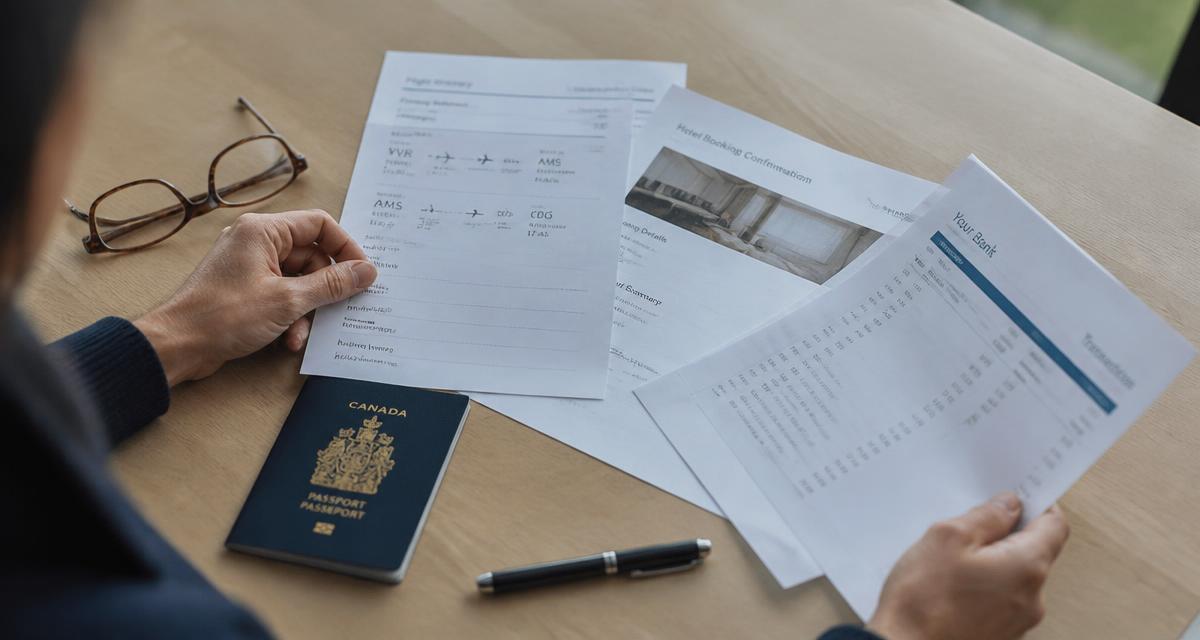
Schengen Type C tourist visa documentation for first-time Thai travelers: (1) passport valid 6+ months beyond intended return; (2) 2 recent photos (35x45mm, white background, biometric standard); (3) flight booking (round-trip dated within travel window); (4) accommodation booking (hotel confirmation or invitation letter); (5) travel insurance EUR 30,000+ medical coverage covering full travel period (Allianz, AIG, AXA Bangkok agents from THB 800-2,500); (6) bank statements 3-6 months showing THB 100,000+ balance (Schengen-recommended for 2-week trip); (7) employment letter (Thai original + English translation, salary, position, leave approval); (8) Thai household registration (tabien ban); (9) National ID copy. Documents NOT typically required for short tourist visa: Apostille of academic / professional documents (waste of money for tourist application). However, for long-stay national-D study/work/family visas, full Apostille bundle is required (academic transcripts + criminal record + marriage certificate as applicable). 8-week timeline: T-8 weeks confirm passport validity + initiate bank deposit pattern; T-6 weeks gather employment letter + tax records + travel insurance quote; T-4 weeks book VFS appointment + book flight + accommodation; T-3 weeks application drafting + document preparation; T-2 weeks VFS submission appointment + biometric capture; T-1 to T-day Schengen visa decision + passport return + ETIAS application + travel. iVC's Summer 2027 Schengen Tourist Package (THB 12,500 single applicant / THB 25,000 family of 4) covers application drafting + appointment booking + document review + post-decision ETIAS coordination.
คำถามที่พบบ่อย
- How early can I submit Schengen visa application?
- Schengen visa can be submitted up to 6 months before intended travel (180 days). Earliest submission strategy advantages: (a) ensures decision well before flight, (b) reduces stress, (c) allows time for rejection appeal if needed. Practical submission window: 8-12 weeks pre-travel hits sweet spot of (a) confirmed flight + accommodation bookings available, (b) bank statements covering required period, (c) employment leave approved, (d) sufficient time for any RFI (request for further information) from embassy. Avoid: <4 weeks pre-travel submission risks unresolved decision; >6 months violates submission window.
- Can I include children on my Schengen visa application?
- No — each individual (adult or child of any age including infants) requires separate visa application + separate fee + separate documentation. Children under 12 are exempt from biometric capture but still need visa. Family applications can be submitted together at same appointment for efficiency. Required additional child documents: birth certificate + Apostille (showing parents), parental consent if traveling with one parent only, school enrolment letter (term-time travel justification), passport. Family Schengen visa fee total = EUR 90 × number of family members + VFS service × members. Child visa decisions are typically aligned with parent — children generally approved if parent approved.
- What if my Schengen visa is denied — can I appeal or reapply?
- Both options. Appeal: submit formal appeal to denial-issuing embassy within timeframe stated in denial letter (typically 14-30 days), supply additional supporting documents addressing denial grounds, no separate fee but processing 4-12 weeks. Most appeals fail (~80%) unless new substantive evidence is provided. Reapply: submit fresh application addressing the denial grounds, full fee + VFS service again, processing standard SLA. Reapplication success higher than appeal (~50-65%) when denial grounds are specifically addressed. Common denial grounds + remedies: (a) insufficient funds → demonstrate larger sustained balance over longer period; (b) unclear travel purpose → detailed day-by-day itinerary; (c) intent to immigrate concern → emphasize Thai ties (property, family, business, prior return-on-time travel history); (d) insurance inadequate → upgrade to EUR 50,000+ comprehensive plan. iVC's Schengen Denial Recovery Service (THB 18,500) reviews denial letter + restructures application for reapplication submission.
- How does ETIAS interact with multiple Schengen entries during validity?
- ETIAS authorisation valid 3 years from issue (or until passport expiry, whichever first), permits multiple entries to Schengen Area during validity. Each entry permits up to 90 days of stay in any 180-day rolling period — the standard Schengen short-stay rule applies on top of ETIAS. ETIAS denial requires fresh application + EUR 7 fee. ETIAS approval is not guaranteed for subsequent applications — if you had any Schengen overstay or denial during prior trips, subsequent ETIAS may face additional review or denial. For multi-trip 2027 + 2028 + 2029 European travelers, the combination of (a) 5-year Schengen multi-entry visa + (b) 3-year ETIAS = single-pass European travel for 3-5 years with minimal repeated paperwork.
- What about non-Schengen European countries (UK, Ireland, Croatia transition, Bulgaria, Romania)?
- UK: separate Standard Visitor visa required for Thai passport holders, fee GBP 127, processing 3 weeks, valid 6 months or 2/5/10 years multi-entry. UK Electronic Travel Authorisation (ETA): currently in phased rollout — Thai passport not yet ETA-eligible, full visa still required through 2027. Ireland: separate Short Stay 'C' visa, fee EUR 60, processing 4-8 weeks via Irish Embassy Singapore (Ireland's Thailand jurisdiction). Bulgaria + Romania + Cyprus: joined Schengen January 2025 (Bulgaria + Romania for air/sea borders, full member 2026; Cyprus 2027) — Schengen visa now covers these. Croatia: full Schengen member since 2023. Switzerland + Norway + Iceland + Liechtenstein: Schengen-associated, covered by Schengen visa. Effective 2027: 30 Schengen-area countries on single Schengen visa.
- How does iVC handle Summer 2027 peak season demand?
- iVC Summer 2027 Schengen Tourist Service Capacity: 280 applications processed in Q2-Q3 2027 (limited slots). Booking opens January 15, 2027. Service tiers: (1) Standard (THB 12,500) — single applicant, 5-business-day case management, includes VFS appointment booking attempt + standard application drafting; (2) Premium (THB 22,500) — single applicant, 2-business-day case management, includes guaranteed VFS appointment via TLScontact premium tier + comprehensive document review + multi-entry visa strategy; (3) Family Bundle (THB 35,000-65,000 depending on family size) — same service tier for family of 2-4; (4) Group / Corporate (THB 8,500/person for groups of 8+) — bulk processing for company travel groups or extended family pilgrimages. All tiers include ETIAS application coordination. Outside iVC's capacity: applicant submits via VFS or TLScontact directly with iVC document review only (THB 3,500).
เปรียบเทียบวีซ่าทำงาน/พำนักระยะยาวในไทย
เลือกประเภทตามลักษณะรายได้และผู้ว่าจ้าง ไม่ใช่ตามระยะเวลาอย่างเดียว
| ประเด็น | Non-B + Work Permit | DTV | LTR |
|---|---|---|---|
| เหมาะกับ | ทำงานกับนายจ้างในไทย | ทำงานทางไกลให้นายจ้าง/ลูกค้าต่างประเทศ | ผู้มีคุณสมบัติตามหมวดที่ BOI กำหนด |
| ต้องมีนายจ้างไทยไหม | ต้องมี | ไม่ต้อง | แล้วแต่หมวดที่สมัคร |
| ใบอนุญาตทำงาน | ต้องขอ | ไม่ครอบคลุมการทำงานให้กิจการในไทย | มีช่องทางเฉพาะตามหมวด |
| เอกสารหลัก | เอกสารบริษัทนายจ้าง + คุณวุฒิ | หลักฐานการทำงานทางไกล/กิจกรรมที่รองรับ | หลักฐานคุณสมบัติตามหมวด |
ทำเอง vs ให้ iVC ดูแลให้ทั้งกระบวนการ
ทั้งสองทางทำได้จริง ต่างกันที่เวลาที่คุณต้องใช้ ความเสี่ยงที่เอกสารถูกตีกลับ และการมีที่ปรึกษาคอยตรวจก่อนยื่น
| ประเด็น | ดำเนินการเอง | ให้ iVC ดูแล |
|---|---|---|
| การตรวจเอกสารก่อนยื่น | ตรวจเองจากข้อมูลหน้าเว็บหน่วยงาน | ที่ปรึกษาตรวจทีละฉบับตามข้อกำหนดปลายทางก่อนยื่นจริง |
| เวลาที่คุณต้องใช้ | เดินทาง ต่อคิว และติดตามผลด้วยตัวเอง | เราเดินเรื่องและติดตามให้ คุณรับรายงานความคืบหน้า |
| ความเสี่ยงตีกลับ | พบบ่อยจากการสะกดชื่อไม่ตรง เอกสารหมดอายุ หรือลำดับรับรองผิดขั้น | ตรวจจุดที่ตีกลับบ่อยตั้งแต่ต้นทาง และแก้ก่อนยื่น |
| ความรู้เฉพาะทาง | ต้องศึกษาระเบียบของแต่ละหน่วยงานเอง | ทีมงานประสบการณ์ 15+ ปี ให้คำปรึกษาตลอดเคส |
| กรณีเอกสารมีปัญหา | ต้องเริ่มขั้นตอนใหม่ด้วยตัวเอง | เราประเมินทางเลือกและวางแผนแก้ให้ทันที |
เราทำงานแบบที่ปรึกษา ไม่ใช่แค่รับเดินเอกสาร
ประสบการณ์มากกว่า 15 ปี (ตั้งแต่ปี 2554) กับงานแปล รับรองเอกสาร และเตรียมเอกสารประกอบวีซ่า ทำให้เราเห็นรูปแบบที่เอกสารถูกตีกลับซ้ำ ๆ และวางแผนตั้งแต่ต้นทางเพื่อลดโอกาสนั้น
- ประเมินเคสก่อนเริ่ม
- ดูโปรไฟล์ ประเทศปลายทาง และหน่วยงานผู้รับ ก่อนบอกว่าต้องใช้เส้นทางรับรองแบบใด
- วางแผนเอกสารรายบุคคล
- จัดลำดับว่าเอกสารใดต้องคัดใหม่ ใดต้องแปลก่อน และใดต้องรับรองก่อนหลัง
- เตือนความเสี่ยงล่วงหน้า
- แจ้งจุดที่มักถูกตีกลับ เช่น การสะกดชื่อไม่ตรงหนังสือเดินทาง หรืออายุเอกสารที่หน่วยงานปลายทางกำหนด
- ติดตามจนจบเคส
- รายงานความคืบหน้าเป็นระยะ และประเมินทางเลือกทันทีหากหน่วยงานขอเอกสารเพิ่ม
- ปรึกษาต่อเนื่องหลังงานเสร็จ
- เอกสารชุดเดิมมักถูกใช้ซ้ำในขั้นตอนถัดไป เราช่วยดูว่ายังใช้ได้หรือต้องคัดใหม่
ถ้าไม่อยากเสียเวลาไล่ขั้นตอนเอง ส่งรายละเอียดเคสมาให้เราประเมินก่อนได้ แล้วค่อยตัดสินใจ
คู่มือปฏิบัติ: วีซ่าไทย / ใบอนุญาตทำงาน
ชาวต่างชาติที่จะทำงานในไทยต้องมีวีซ่าประเภทที่ถูกต้อง (เช่น Non-B, DTV, LTR) และใบอนุญาตทำงานจากกรมการจัดหางาน ก่อนเริ่มปฏิบัติงาน
รายการเอกสารที่ต้องเตรียม
- หนังสือเดินทางอายุคงเหลือเพียงพอ พร้อมหน้าวีซ่าและ TM.6/บัตรขาเข้า (ถ้ามี)
- หนังสือรับรองบริษัท บัญชีรายชื่อผู้ถือหุ้น และงบการเงินของนายจ้าง
- สัญญาจ้าง ระบุตำแหน่ง หน้าที่ และสถานที่ทำงาน
- วุฒิการศึกษาและหนังสือรับรองประสบการณ์ แปลและรับรองตามที่กำหนด
- ใบรับรองแพทย์ตามแบบที่กรมการจัดหางานกำหนด
ขั้นตอนและวิธีการ
1. เลือกประเภทวีซ่าที่ตรงกับกิจกรรมจริง
ประเมินว่าเป็นการจ้างงาน การลงทุน การทำงานทางไกล หรือการพำนักระยะยาว
กรอบเวลาโดยประมาณ: 1–3 วัน
2. ยื่นขอวีซ่าที่สถานทูต/สถานกงสุลไทย
เตรียมเอกสารนายจ้างและเอกสารส่วนบุคคลตามที่สถานทูตกำหนด
กรอบเวลาโดยประมาณ: 5–15 วันทำการ
3. ยื่นขอใบอนุญาตทำงาน
ยื่นที่สำนักงานจัดหางานในพื้นที่ หรือ One Stop Service สำหรับกิจการที่เข้าเกณฑ์
กรอบเวลาโดยประมาณ: 3–10 วันทำการ
4. รายงานตัวและต่ออายุ
รายงานตัว 90 วัน ต่ออายุวีซ่าและใบอนุญาตทำงานก่อนหมดอายุ
กรอบเวลาโดยประมาณ: ตลอดระยะพำนัก
คำแนะนำจากงานจริง
- ตำแหน่งงานต้องไม่อยู่ในอาชีพที่สงวนไว้สำหรับคนไทย ควรตรวจก่อนทำสัญญาจ้าง
- เก็บใบรับรายงานตัว 90 วันทุกครั้ง เพราะใช้ประกอบการต่ออายุครั้งถัดไป
ข้อควรระวัง
- การทำงานก่อนได้รับใบอนุญาตมีโทษตามกฎหมายทั้งลูกจ้างและนายจ้าง
- การอยู่เกินกำหนด (overstay) มีผลต่อการขอวีซ่าครั้งต่อไปและอาจถูกห้ามเข้าประเทศ
ให้ iVC ดำเนินการแทนคุณ
ถ้าไม่อยากเสียเวลาเดินเรื่องเอง ทีมงาน iVC รับดำเนินการให้ครบวงจร ตั้งแต่ตรวจเอกสาร แปล รับรอง จนถึงยื่นและติดตามผล — ทักไลน์ @iVisa หรือโทร 080-5578887 เพื่อให้เราประเมินเคสของคุณก่อนเริ่มงาน
แหล่งอ้างอิงทางการ
ปรึกษาเรื่องนี้กับ iVC
ทีมที่ปรึกษา 15+ ปี · ครอบคลุม 60+ ประเทศ · LINE ตอบทุกวัน
ปรึกษาฟรี LINE @iVisaเผยแพร่ 2027-03-30 · ปรับปรุง 2027-03-30 · เขียนโดย Marie-Claude L., iVC (EU + Schengen Lead · 13 yrs European visa practice)